
From Fences
to Firewalls
A farm kid who grew up moving cattle, raking hay, and watching technology slowly take over everything — including the farm itself. This is where that story meets yours.
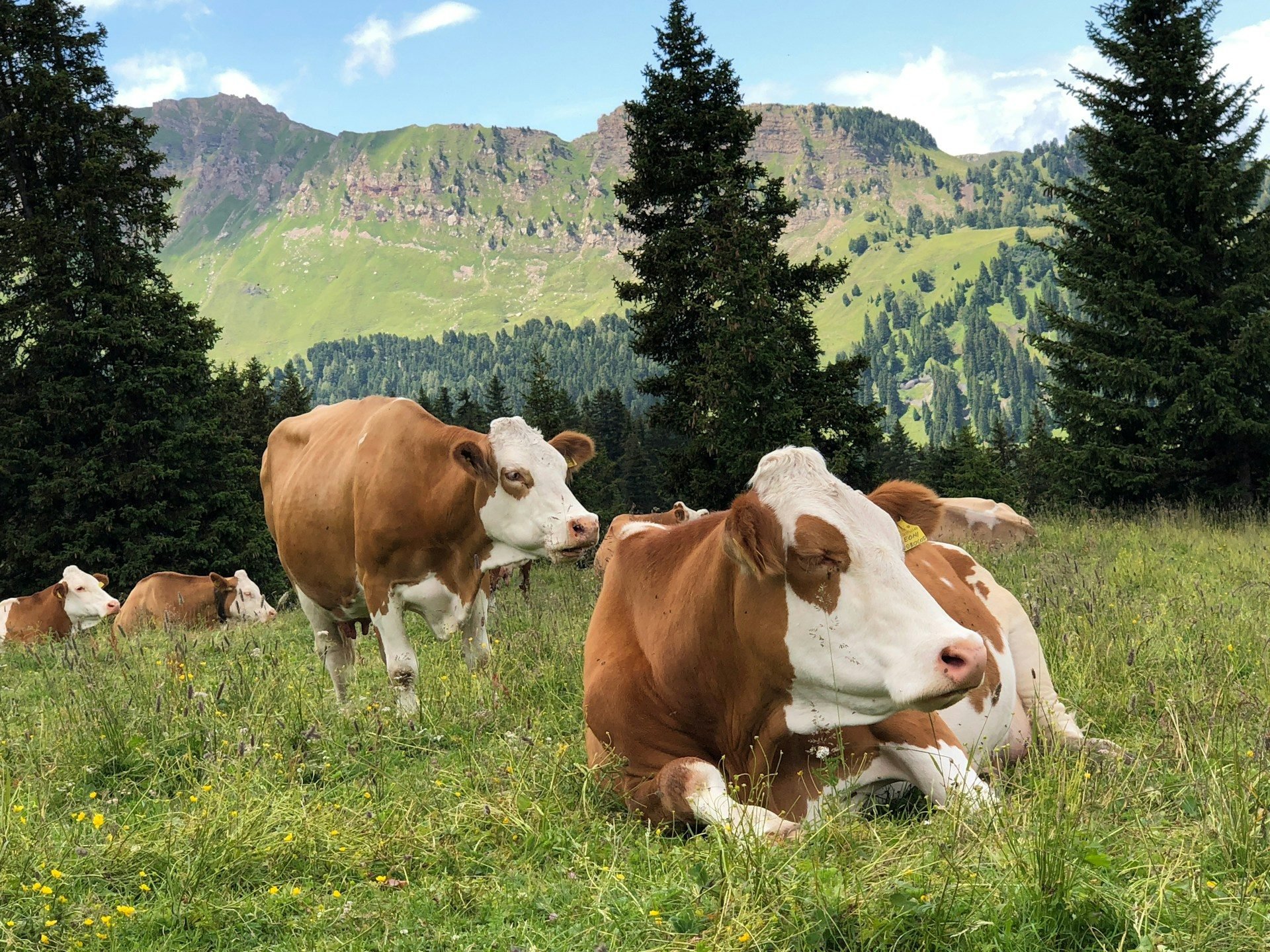
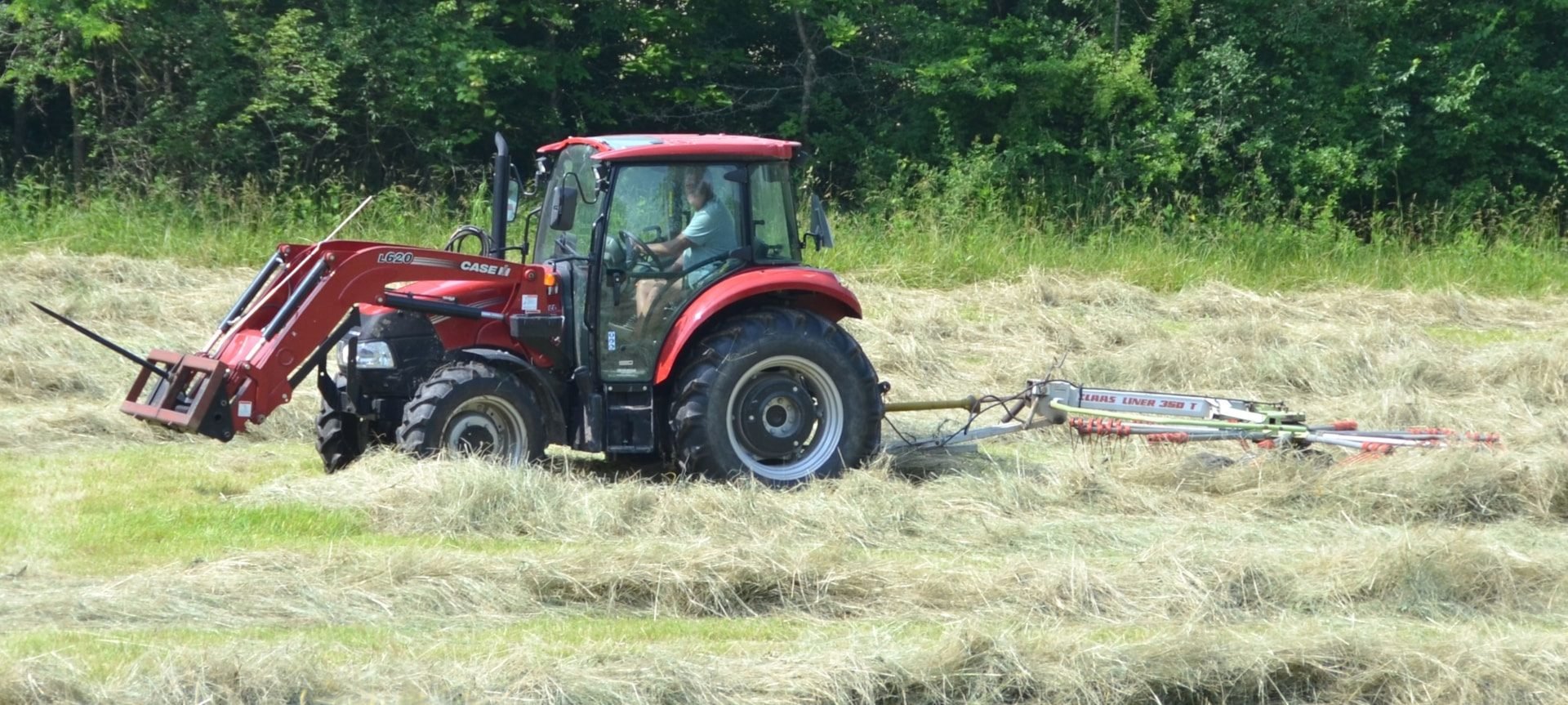
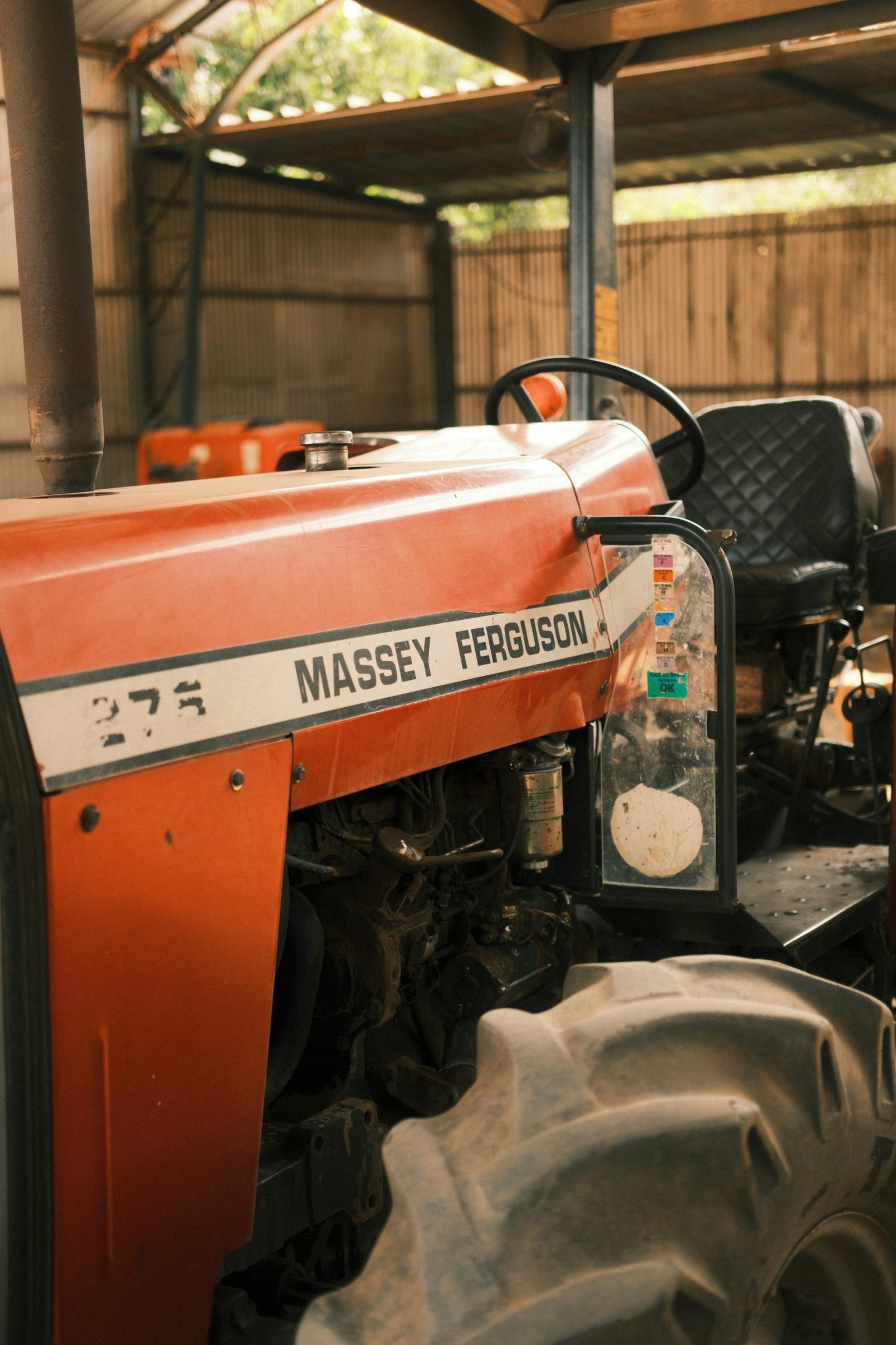
The Farm Years
Growing up on a cattle and hay farm, technology wasn't something you read about in a magazine — it was the thing that showed up one day and changed how the work got done. First it was the equipment getting more complicated. Then it was software running the equipment. Then it was the internet, and suddenly a farm in the middle of nowhere had the same problems a city office did: things needed to be set up, configured, and figured out.
Nobody handed you a manual. You figured it out or you called someone who charged you more than the part was worth to figure it out for you. That never sat right.
So I started figuring things out myself. And then I started writing them down.
Tech Didn't Replace the Farm — It Moved In
Precision agriculture started showing up in the early 2000s — GPS-guided tractors, soil sensors, yield monitors. The technology that city people were just getting comfortable with was quietly landing in fields and barns too.
Watching that happen gave me a perspective a lot of tech folks don't have: technology is a tool, not a lifestyle. It exists to solve a specific problem. When it stops doing that, it's in the way.
That's still how I approach everything I write about here.

Modern ag tech — drones, sensors, GPS. The farm came a long way.

The Paper Trail
I went back and got formal about it. An Associate's degree in Electronics with emphasis on PC Repair, Problem Determination, and Networking. CompTIA A+ certification. Certified Electronics Technician.
The credentials aren't why I know what I know — experience on broken machines is why I know what I know. The credentials are just proof that I went through the process of organizing that knowledge in a way someone else could verify.
And then I kept going. Discord bots. Chrome extensions. JavaScript apps. GitHub projects. AI tools. Gaming servers on Nitrado and G-Portal. The list keeps growing because that's just how this goes.
Who This Is Actually For
Not everyone. But probably you if any of these sound familiar.
The self-fixer
You'd rather figure it out yourself than pay someone and not understand what they did.
The gamer who tinkers
You run a Discord server, host a game server, or mod — and you want to go deeper.
The practical learner
You don't care about theory. You want to know what to actually do and why it works.
The side-project builder
You're working on something — a bot, an app, a channel — and need practical, specific guidance.
The YouTube rabbit-holer
You've watched 40 videos on a topic and still feel like you haven't started. (Relatable.)
The slow learner by choice
You'd rather take longer and actually understand than rush and break things worse.
Where to Start
Depending on what brought you here, here's your fastest path to something useful.
PC running slow? Start with Windows troubleshooting.
Most Windows problems have a short list of real causes. Task Manager, DISM, disk cleanup, and driver checks handle the majority.
Read: Windows Troubleshooting Guide →Running a Discord server? Get it set up right.
Channels, roles, bots, permissions — the Starter Guide walks you through the whole setup without the 3-hour YouTube binge.
Read: Discord Server Setup →New to all of this? The CompTIA post is a decent map.
It lays out what the certification actually covers and why it's a useful mental model even if you're not pursuing the cert itself.
Browse the Blog →Don't want to miss what's next?
The email list is the best way to know when something new drops. No schedule, no spam — just a note when something worth reading is ready.
Join the Newsletter →Glad You're Here
Whether you found this through a YouTube video, a Discord recommendation, a search engine, or pure luck — welcome. Stick around. There's more on the way.